June 5, 2024
Is It Time to Replace Your Air Conditioner?
Not sure whether to repair or replace your AC unit? We break down the key factors to consider, including system age, repair costs, and energy efficiency.
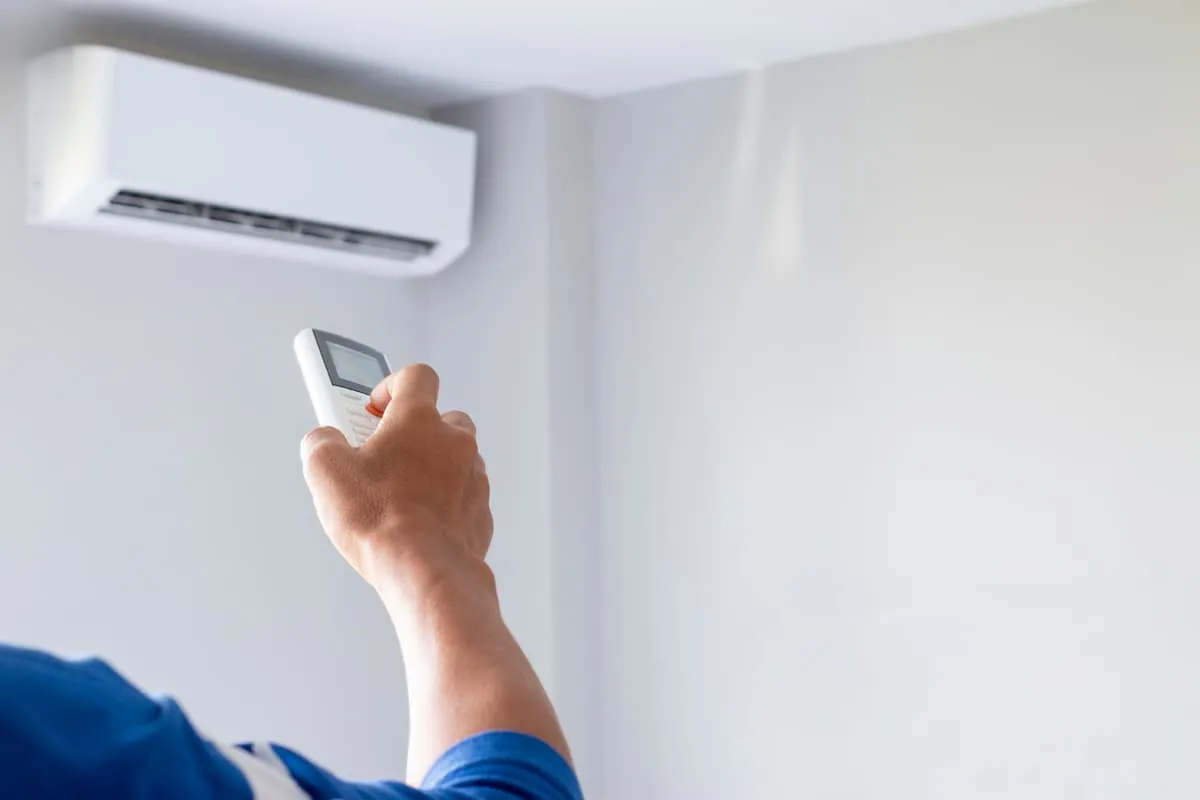
Air conditioners are built to last, but like any mechanical system, they don’t last forever. Most AC units have a lifespan of 10 to 15 years, depending on usage, maintenance, and installation quality. If your system is approaching or exceeding that range, it may be time to start considering a replacement rather than continuing to invest in frequent repairs.
One of the clearest signs it may be time to replace your air conditioner is rising repair costs. If your system requires repeated service calls or a major component replacement, such as a compressor, upgrading to a newer, more efficient model can often be the more cost-effective long-term solution. Newer systems are designed to use less energy, which can significantly reduce monthly utility bills during peak summer months.
You may also notice declining performance. Warm air coming from vents, uneven cooling throughout your home, or excessive humidity indoors can all signal that your current system is struggling to keep up. As equipment ages, efficiency decreases and strain on components increases, leading to inconsistent comfort.
Replacing your air conditioner is an investment, but modern systems offer improved energy efficiency, quieter operation, and enhanced comfort features. If you’re unsure whether repair or replacement is the right choice, a professional evaluation can help you weigh the age of your system, repair history, and overall efficiency to determine the best path forward.